Supporting Growth Through Every Play Therapy Session.
To enquire about availability without obligation please contact us at enquiries@fizzingminds.co.uk
Please see documents below for referral information.
All enquiries are handled with complete confidentiality and without obligation.
Initial contact can be made by email or phone to discuss the referral before scheduling a consultation.
This consultation allows for further discussion of the needs of the child and helps determine if the client and therapist are a good match for therapy.
No charges will be applied until the sessions start.
Support for Caregivers.
Principles of play therapy that can be used at home to support your child’s emotional journey and foster resilience.

Acknowledge and name emotions. This is essential for emotional regulation and brain development.
Try describing physical reactions whilst labelling the emotion e.g “You’re stamping your feet. It looks like you’re frustrated”. This can support children in connecting their body sensations with emotional vocabulary.
Acknowledge the feeling without trying to fix it, for example, say “It’s okay to feel angry,” while still upholding clear boundaries for behaviour.

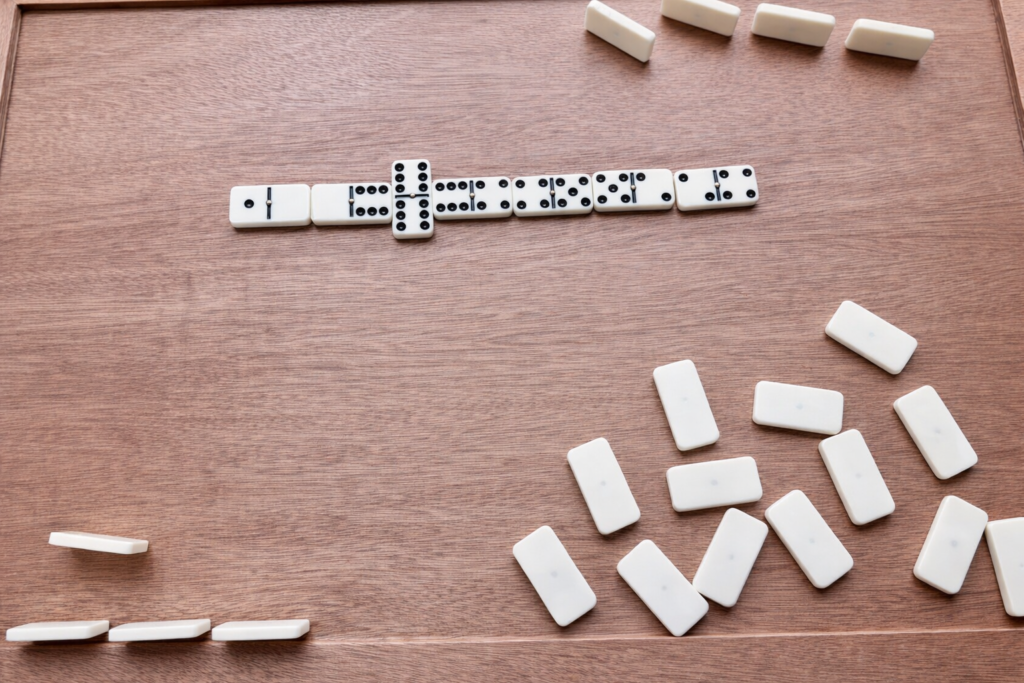
Encourage children to play with ‘real toys’.
Play is scientifically proven to be essential for healthy brain development, emotional well-being, and physical health. Research demonstrates that imaginative play with real, tangible toys supports cognitive, social, and emotional growth—key factors for effective learning and stress management. Whilst strengthening neural connections, enhancing memory, creativity, and problem-solving skills. Additionally, play has been shown to reduce stress, anxiety, and frustration.
As parents, it can be challenging to encourage this type of play, as games and screens offer instant gratification to our children. But at what cost?
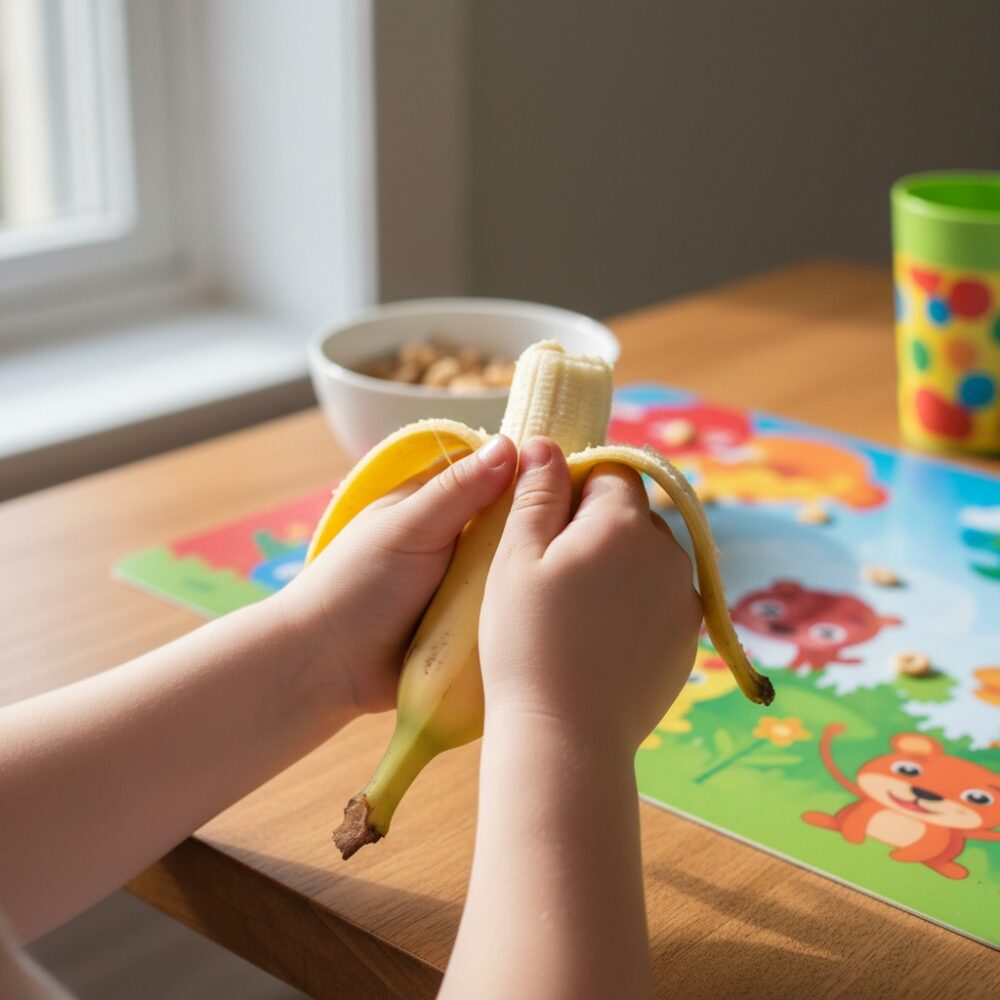
Empower them to solve problems.
This fosters independence, critical thinking and confidence by encouraging children to identify issues, develop solutions and attempt to overcome challenges themselves.
Let them attempt to peel the banana, tie their own shoes, help with the shopping and mop up that spill.
Allowing age-appropriate mistakes encourages effort over results, creating valuable learning opportunities that build resilience.
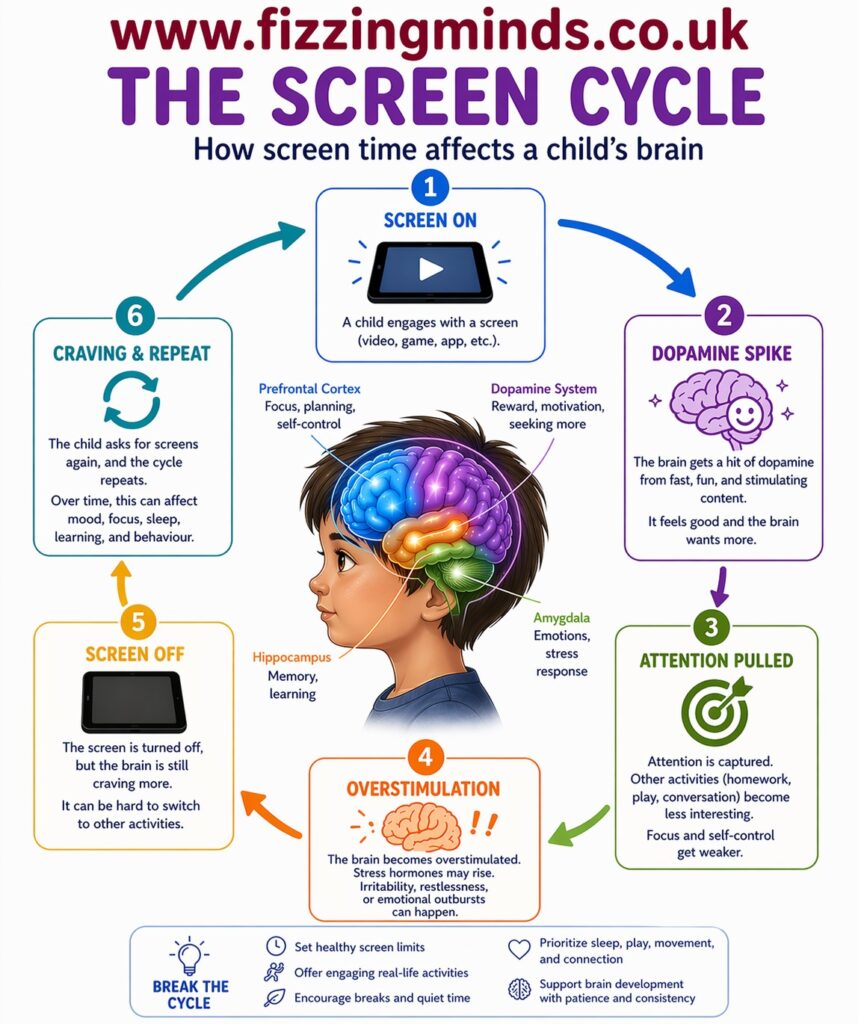
Also worth considering. How screens can impact home life.
Technology is an integral part of everyday life, and while no one is here to judge, understanding its impact is essential for comprehending behaviour in both children and adults.